
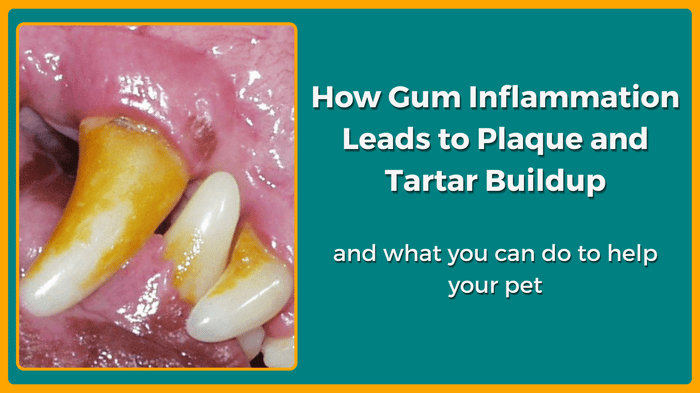

If you've ever noticed your dog's breath smelling a little rough or seen a yellowish film on your cat's teeth, you've already spotted the early signs of a bigger problem. Most pet owners don't think much about their pet's gums until something looks or smells off. Gum inflammation is often where dental problems start. If it goes unnoticed, it can quietly pave the way for plaque and tartar buildup before you even realize something's wrong. On top of that, it's likely causing your pet discomfort.
Understanding how this process works can help you catch problems early and keep your pet's mouth healthier for years to come.
What Is Gum Inflammation?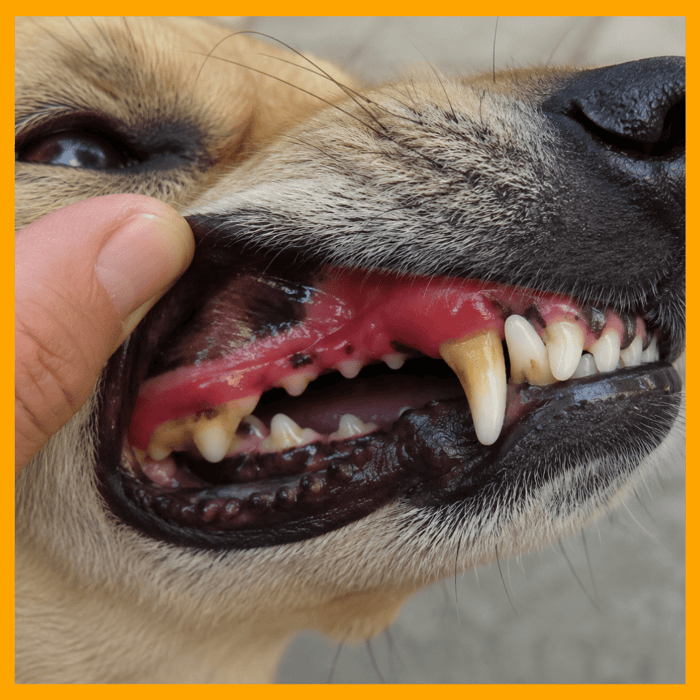
Gum inflammation, also called gingivitis, happens when the soft tissue around your pet's teeth becomes swollen, red, or irritated. It's the body's natural response to bacteria building up along the gumline. In the early stages, gum inflammation might not seem like a big deal. The gums may look a little pink or puffy, and your pet may not act any different at all.
But here's the thing: gum inflammation rarely stays small. Left unchecked, it worsens as plaque and tartar build up, raising the risk of serious health problems down the line, including heart, liver, and kidney disease.
How Gum Inflammation Starts
Every time your dog or cat eats, tiny food particles and bacteria mix together in their mouth. This forms a soft, sticky film called plaque. Plaque isn't visible most of the time, but it's constantly forming on the surface of the teeth and along the gumline.
When plaque sits along the gums for too long, the bacteria inside it start to irritate the gum tissue. This irritation is what triggers gum inflammation. The gums react by swelling slightly and sometimes bleeding a little, especially when your pet chews on something firm or when you brush their teeth.
At this stage, the inflammation is still reversible. With regular brushing, a dental-friendly diet, and routine checkups, the gums can heal and return to normal. The problem is that most pet owners don't catch it this early, since pets are experts at hiding discomfort.
From Plaque to Tartar: Why Gum Inflammation Makes It Worse
Once inflammation is present, it actually makes it easier for plaque to build up even more. Swollen gum tissue creates small pockets and rough surfaces where plaque can hide and grow undisturbed. Bacteria love these hidden spots because they're harder to clean, whether your pet is chewing on a toy or you're trying to brush their teeth at home.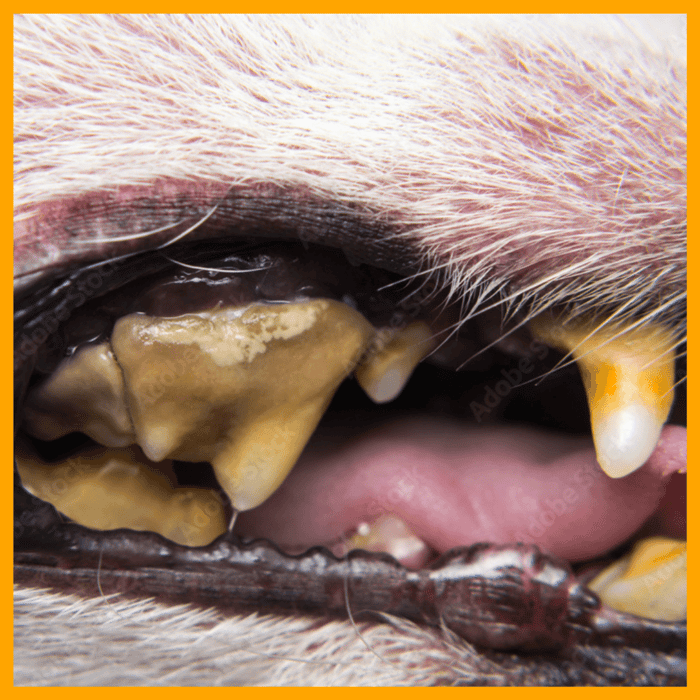
Over time, if this plaque isn't removed, it starts to harden. The minerals in your pet's saliva combine with the plaque and turn it into tartar, also known as calculus. Tartar is a hard, crusty substance that sticks tightly to the teeth and gumline. Unlike plaque, tartar cannot be brushed away. It usually requires a professional dental cleaning to remove.
So the cycle looks something like this:
- Plaque builds up daily on the teeth
- Inflammation develops from bacteria in the plaque
- Swollen gums create more places for plaque to hide
- Untouched plaque hardens into tartar within days
- Tartar buildup leads to more irritation and worsening gum inflammation
This cycle can repeat itself over and over if nothing interrupts it, which is why early gum inflammation deserves attention rather than being brushed off.
Signs Your Pet May Have Gum Inflammation
Since pets can't tell us when their mouth hurts, it helps to know what to look for. Common signs of gum inflammation include:
- Red or swollen gums, especially near the gumline
- Bad breath that seems stronger than usual
- Swipe the mouth with toilet paper to check for plaque accumulation
If you notice any of these signs, it's worth scheduling a checkup. Catching inflammation early can prevent the more expensive and uncomfortable dental issues that come later, like tartar buildup, periodontal disease, or even tooth loss.
Why Tartar Buildup Is Hard to Reverse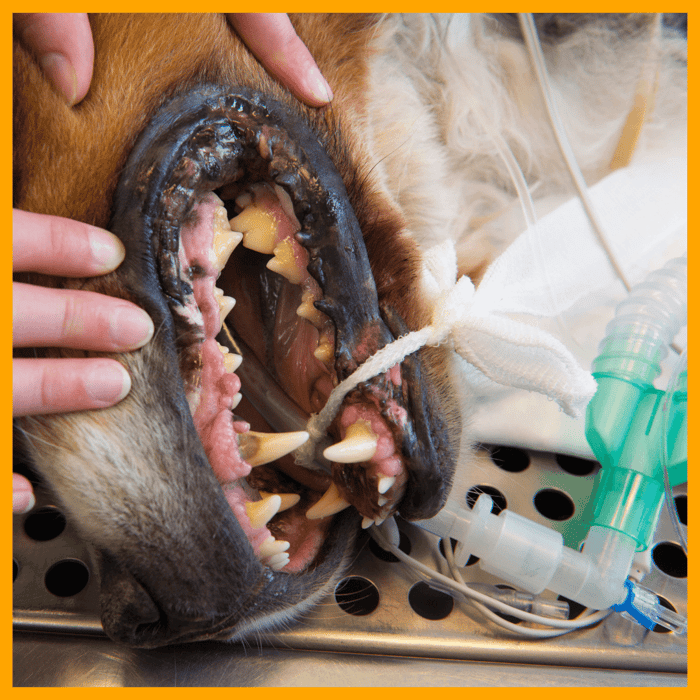
Once tartar forms, brushing alone won't remove it. The hardened buildup clings to the tooth surface and continues to trap bacteria against the gums, keeping the inflammation cycle going. This is why veterinarians usually recommend a professional dental cleaning once tartar has developed. During this cleaning, your vet can scrape away the tartar and get a clear look at the health of the gums underneath.
Left untreated for too long, ongoing gum inflammation and tartar buildup can progress into periodontal (gum) disease. This more serious condition affects the structures that hold teeth in place and can lead to pain, infection, and even tooth loss. It's a good reminder that small gum inflammation today can turn into a much bigger problem tomorrow.
Simple Ways to Prevent Gum Inflammation
The good news is that preventing gum inflammation doesn't have to be complicated. A few consistent habits can make a big difference in your pet's oral health.
Brush regularly. Even brushing two to three times a week can significantly reduce plaque buildup before it leads to gum inflammation.
Offer dental chews or toys. Many products are designed to scrape plaque off teeth naturally while your pet chews.
Feed a dental-friendly diet. Some pet foods are formulated with a texture that helps reduce plaque as your pet eats.
Schedule regular vet checkups. Your vet can spot early gum inflammation before it turns into something more serious.
Consider oral health supplements. Some pet owners use gum-support products alongside brushing to help maintain healthy gum tissue between cleanings.
Where 1-TDC® Fits In
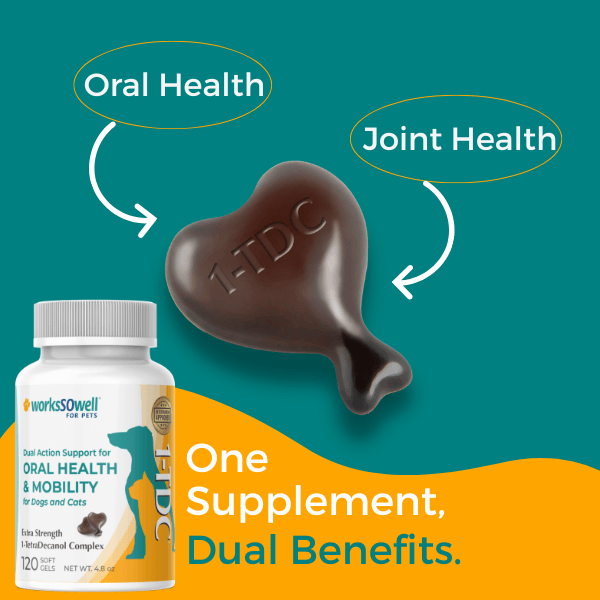
1-TDC® is a fatty acid supplement applied directly to the gums, where it's absorbed and helps calm irritated tissue from the inside, working alongside, not replacing, brushing and professional cleanings. Thousands of pet parents already use it as a simple, low-effort addition to their pet's home dental care routine.
The Bottom Line
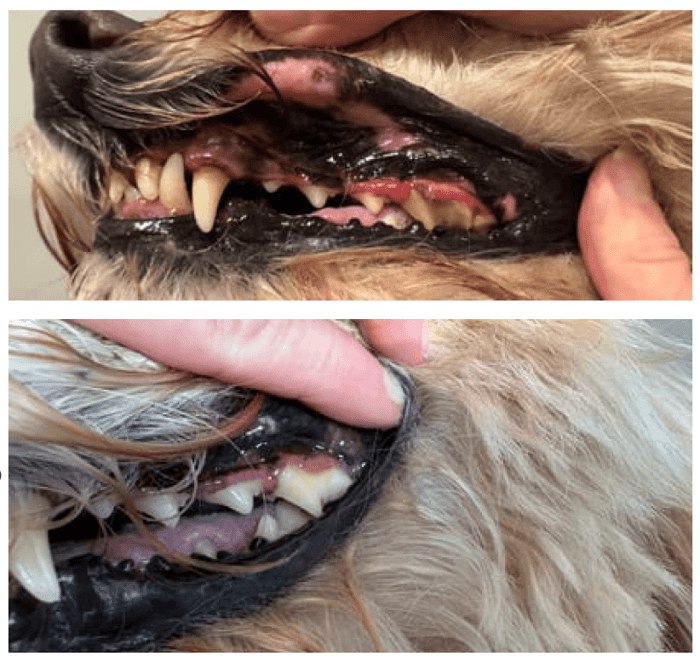
Gum inflammation might seem like a small, easy-to-ignore issue, but it plays a major role in your pet's overall dental health. It's usually the first visible sign that plaque is building up along the gum line, and if it's not addressed, that plaque hardens into tartar, which irritates the gums even more and makes the cycle harder to break. The earlier you catch gum inflammation, the easier it is to manage and reverse before it progresses to more serious periodontal disease.
Taking a few minutes each week to check your pet's gums, brush their teeth, and stay on top of vet visits can go a long way. A little consistency now means a healthier mouth, fresher breath, and a happier pet down the road.
1-TDC ORAL HEALTH + MOBILITY SUPPORT FOR DOGS & CATS 2 Bottles (240 soft gels)

$132.00
$142.00
Keep your pet Happy, Active & Comfortable from Head-to-Tail with 1-TDC. This unique supplement is SO effective that it is recommended by TOP Veterinary Experts worldwide to maintain and improve your pet’s health in 4 important areas: Oral Health….… read more