
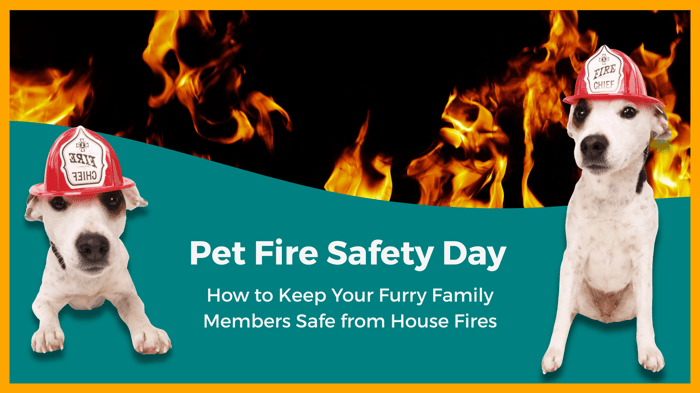

Every July 15th, pet owners across the country pause to think about something most of us would rather not imagine: a fire breaking out in our own home. National Pet Fire Safety Day was created to remind us that our pets need to be part of our fire safety plans, not an afterthought. It might sound like a small thing, but the numbers tell a bigger story.
Roughly 500,000 pets are affected by house fires each year, and about 1,000 house fires are started by pets themselves. That's a lot of tails, paws, and curious noses causing accidental damage. The good news is that most of these fires can be prevented with a few simple changes around the house.
Why Pet Fire Safety Matters So Much
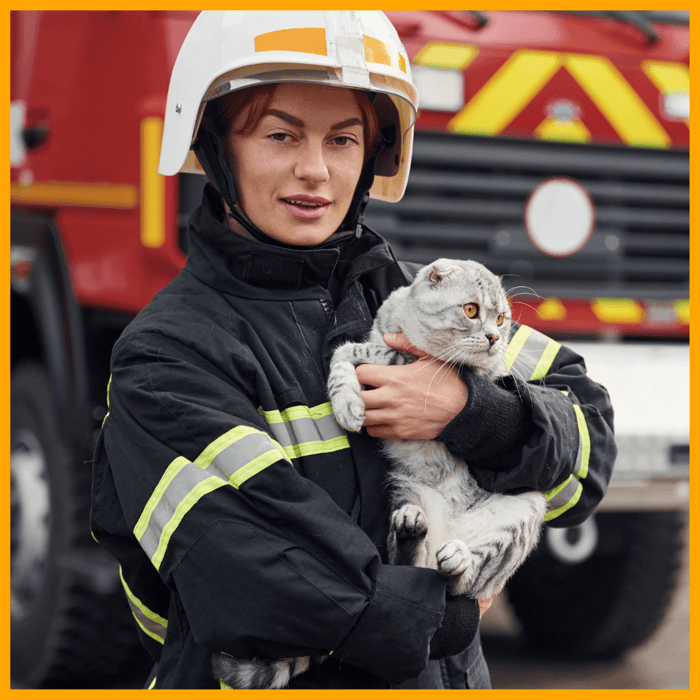 Dogs and cats are curious by nature. They sniff, paw, chew, and climb on things they probably shouldn't. This curiosity is part of what makes them so lovable, but it also puts them right in the middle of common fire hazards. An estimated 750 accidental home fires each year can be traced back to pets or wild animals, often involving everyday items like cooking equipment, fireplaces, space heaters, lamps, and candles.
Beyond starting fires, pets are also victims of them. Around 40,000 pets lose their lives in home fires every year, mostly from smoke inhalation. That's why good pet fire safety habits protect your animals in two ways: they lower the chance of a fire starting, and they raise the chance your pet gets out safely if one does happen.
Kitchen and Cooking Safety
The kitchen is ground zero for a lot of pet-related fires. Cats jump on counters. Dogs beg near the stove. A wagging tail or a curious paw can bump a pot handle or nudge a knob without you noticing. A stove or cooktop is actually the number one piece of equipment involved when a pet starts a fire.
A few easy fixes go a long way here:
- Remove stove knobs or cover them when you leave the house.
- Keep pets off counters and away from the stove while cooking.
- Never leave food unattended on the stovetop, especially if a hungry pet is nearby.
Candles, Fireplaces, and Open Flames
Open flames are another major risk when it comes to pet fire safety. Cats especially love to swat at things, and a curious paw or a swishing tail near a lit candle can knock it right over. Make sure your pet is never left unattended around an open flame, and always fully put out any flame before leaving home.
If you love the look of candlelight, consider switching to flameless candles. These use a small light bulb instead of real fire, so there's no danger if your pet knocks one over.
Fireplaces need attention too. Always use a metal or heat-tempered glass screen and keep a pet-free zone of at least three feet around the fireplace, since glass doors can stay hot for hours after the fire is out.
Electrical and Wiring Hazards
Chewing is a favorite pastime for a lot of pets, especially cats and young dogs, and loose wires are an easy target. Chewed wires create both a fire hazard and an electrical shock risk. Walk through each room and tuck away or cover any cords your pet can reach. Secure lamps and other items that could tip over if a pet climbs or bumps into them.
Smoke Alarms and Carbon Monoxide Detectors
Working smoke alarms are the backbone of any solid fire safety plan, pets included. Smoke alarms need to be replaced every 10 years, and you should test them weekly and check the manufacture date to make sure they're still current.
Consider going a step further with a monitored smoke detector. A monitored alarm alerts a monitoring center whenever it goes off, so firefighters can be dispatched even if you aren't home to make the call yourself.
Don't forget carbon monoxide too. Because of their smaller size, pets can be affected by carbon monoxide poisoning before people notice symptoms themselves, so a working CO alarm is just as important as a smoke alarm.
Window Clings and Pet Alert Stickers
 One of the simplest pet fire safety tools is also one of the most overlooked: a pet alert window cling. Write down how many pets you have and stick it to a front window so firefighters can quickly know how many animals to look for if you aren't home. Keep the number updated, and if you're able to evacuate with your pets, remove the sticker on your way out so rescuers don't waste time searching for pets who are already safe.
Building a Pet Escape Plan
Every family fire escape plan should include a section just for pets. Decide ahead of time who is responsible for grabbing which animal, and where each pet tends to hide when scared. Pets often run and hide when a fire breaks out, so knowing their favorite hiding spots, like under a bed or in a closet, can save precious time.
Keep leashes and carriers near an exit so you're not scrambling to find them in an emergency. If your pet is confined during the day, keep their crate or gated area close to a door. This makes it easier for you or firefighters to reach them quickly.
And remember one hard but important rule: never go back into a burning building for a pet. Call to them from outside, and let firefighters handle the rescue once they arrive.
Making Pet Fire Safety Part of Your Routine
National Pet Fire Safety Day is a great reminder, but the real work happens all year long. Walk through your home with fresh eyes and look for hazards near stoves, candles, fireplaces, and wiring. Test your smoke alarms, update your pet alert stickers, and make sure everyone in the family knows the plan.
Pet fire safety doesn't require expensive equipment or a total home overhaul. Most of it comes down to small, consistent habits: covering stove knobs, blowing out candles, hiding loose cords, and keeping your pets close to an exit when you're away. These simple steps add up to a much safer home for the pets who depend on you.
Take a few minutes this July 15th to check your home for these hazards. It's a small investment of time that could make all the difference for your furry family member.
1-TDC ORAL HEALTH + MOBILITY SUPPORT FOR DOGS & CATS 2 Bottles (240 soft gels)

$132.00
$142.00
Keep your pet Happy, Active & Comfortable from Head-to-Tail with 1-TDC. This unique supplement is SO effective that it is recommended by TOP Veterinary Experts worldwide to maintain and improve your pet’s health in 4 important areas: Oral Health….… read more