



When it comes to your pet’s overall wellness, oral health often gets overlooked. Many pet parents focus on food, exercise, and grooming, but the mouth plays a much bigger role than most people realize. A pet’s teeth and gums affect how they eat, play, and feel every day.
The good news? Many oral health concerns show warning signs early. By knowing what to look for and supporting your pet’s oral health daily, you can help keep small issues from becoming bigger problems later on.
Let’s take a closer look at why pet oral health matters, the common signs your pet may be struggling, and how daily support, like 1-TDC, can help maintain a healthy mouth before issues start.
Why Pet Oral Health Is So Important

Your pet uses their mouth for almost everything—eating, chewing, carrying toys, grooming, and exploring the world. Over time, food particles and bacteria can build up on the teeth and along the gumline. Without regular care, this buildup can affect comfort and overall wellness.
Poor oral health can also impact daily habits. Pets may become less interested in food, chew differently, or seem less playful. Supporting oral health isn’t just about fresh breath—it’s about helping your pet feel their best every day.
Common Signs Your Pet May Have Oral Health Issues
Oral health issues often start quietly. Many pets don’t show obvious signs right away, which is why small changes can be easy to miss. Paying attention to everyday behaviors, eating habits, and appearance can help you catch early signs that your pet’s mouth needs extra support.
Below are some of the most common signs pet parents should watch for—and what they may mean.
1. Persistent Bad Breath
Occasional bad breath can happen, especially after meals. However, strong or constant bad breath that doesn’t improve may be a sign of excess bacteria in your pet’s mouth.
Over time, leftover food particles can stick to teeth and along the gumline. When bacteria feed on this buildup, odors can develop. Fresh breath is often one of the first signs of a well-supported oral routine, so changes here are worth paying attention to.
2. Visible Buildup on Teeth
Take a look at your pet’s teeth when they yawn or relax. If you notice yellow or brown buildup, especially near the gums, it may be a sign that oral care needs improvement.
This buildup can make teeth appear dull or uneven instead of smooth. While it may start small, consistent buildup can affect how comfortable your pet feels when chewing.
3. Red, Swollen, or Sensitive Gums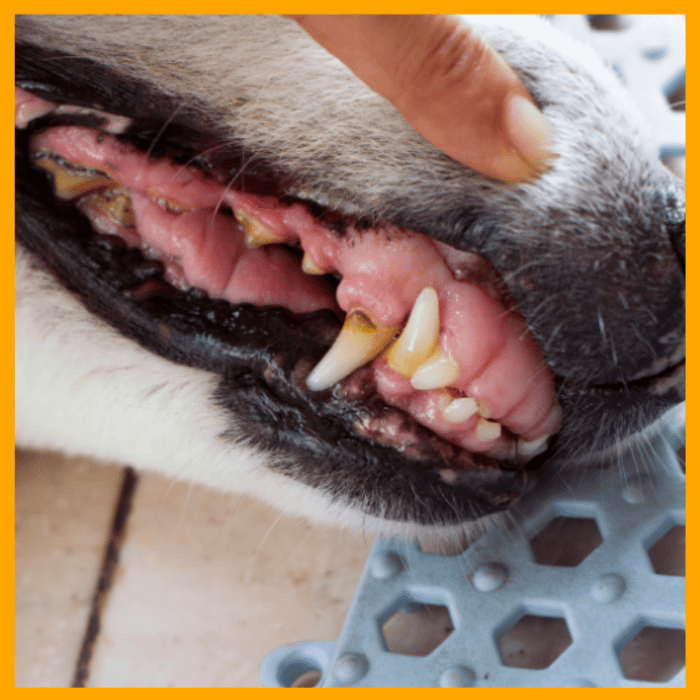
Healthy gums are usually light pink and firm. Gums that appear red, puffy, or sensitive may signal that the mouth is out of balance.
You might notice your pet pulling away when their mouth is touched or avoiding toys that require chewing. These changes can be subtle at first but often grow more noticeable over time.
4. Changes in Eating or Chewing
Oral discomfort can affect how your pet eats. Some common changes include:
Eating more slowly than usual
Chewing on only one side of the mouth
Dropping food while eating
Avoiding crunchy food or treats
If your pet suddenly prefers softer foods or skips meals, it could be their way of avoiding discomfort in the mouth.
5. Pawing at the Mouth or Rubbing the Face
Pets can’t tell us when something feels off, so they often show it through behavior. Pawing at the mouth, rubbing their face on furniture, or pressing their face against the floor may be signs of irritation or sensitivity.
These behaviors are easy to overlook, especially if they happen occasionally, but repeated actions can signal that your pet’s mouth needs attention.
6. Less Interest in Chew Toys or Treats
Chewing is a natural and enjoyable activity for most pets. If your pet suddenly avoids chew toys, bones, or dental treats they once loved, oral discomfort may be the reason.
Some pets may still want to play but choose toys that don’t require chewing, which can be an early clue that something feels different in their mouth.
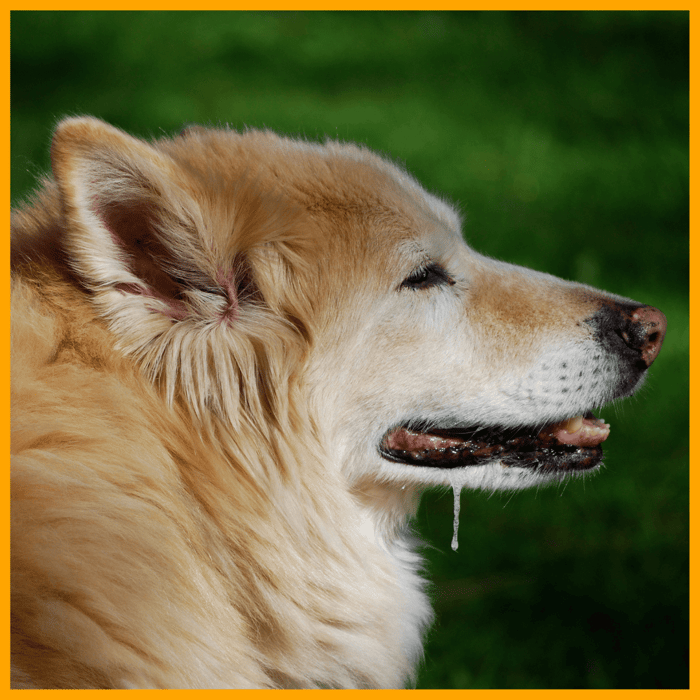
7. Excessive Drooling
While some breeds naturally drool more than others, sudden or excessive drooling may be linked to oral discomfort. You may notice wet spots where your pet rests or strings of saliva when they’re relaxed.
Changes in drooling patterns—especially when paired with other signs—can point to oral health concerns.
8. Changes in Mood or Behavior
Oral discomfort doesn’t just affect the mouth—it can affect your pet’s attitude too. Pets may become:
Less playful
More irritable
Less social
Reluctant to be touched around the face
Because the mouth is used so often, discomfort there can impact your pet’s overall happiness and energy levels.
Why Early Signs Matter
The earlier you notice these signs, the easier it is to support your pet’s oral health before bigger issues develop. Daily habits, regular checks, and consistent oral support can help maintain comfort and keep your pet feeling confident and happy.
How 1-TDC Helps Support Oral Health Before Issues Start
1-TDC was designed to make daily pet wellness easy—including oral health support. Rather than waiting for visible signs of trouble, 1-TDC helps support a clean, balanced mouth as part of your pet’s everyday routine.
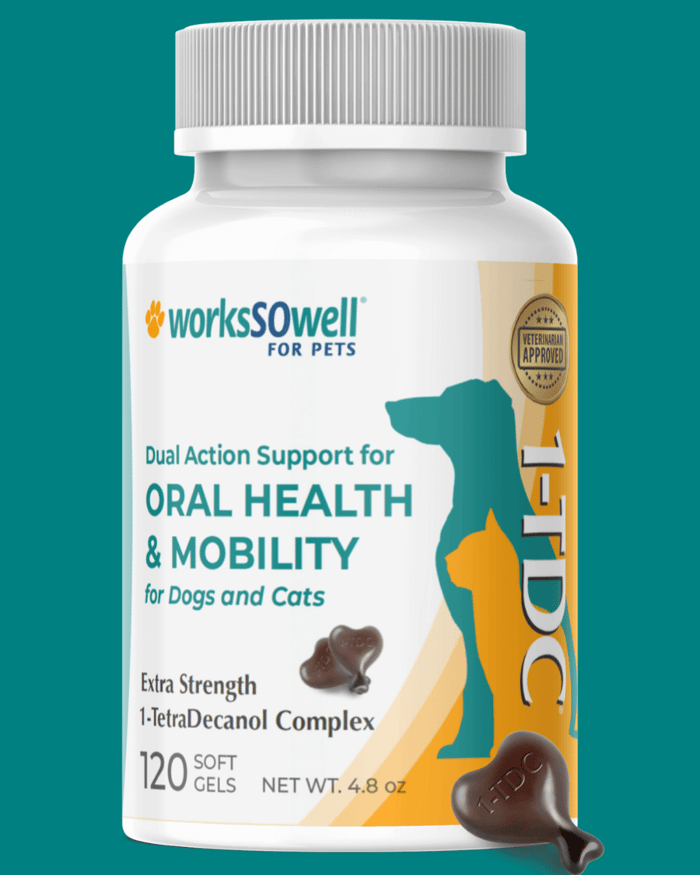 Supports a Healthy Mouth
1-TDC is absorbed through the oral tissues and goes to work where oral issues often start: the gums. By supporting stronger, healthier gums, it helps create an environment that’s less prone to the cycle that leads to persistent bad breath and buildup.
Promotes Fresher Breath
Fresh breath isn’t just nice—it’s often a sign of better oral balance. By supporting the mouth from the inside out, 1-TDC helps maintain breath that’s easier to live with.
Easy Daily Use
No brushing battles or stressful routines. 1-TDC fits easily into your pet’s daily routine, making oral support simple and consistent.
Part of Whole-Body Wellness
Oral health doesn’t exist on its own. Supporting the mouth daily helps support your pet’s overall comfort, confidence, and quality of life.
Building a Simple Oral Care Routine
Supporting your pet’s oral health doesn’t have to be complicated. A strong routine can include:
Regular visual checks of teeth and gums
Dental-friendly toys or chews
A consistent daily supplement like 1-TDC
Routine vet checkups
Consistency matters more than perfection. Small daily habits add up over time.
Final Thoughts
Your pet’s mouth is a window into their overall wellness. By learning the early signs of oral health issues and supporting dental care before problems begin, you’re giving your pet the comfort and confidence they deserve.
1-TDC makes it easier to stay ahead of oral health concerns with simple, daily support—helping your pet smile, chew, and play comfortably for years to come.
Because when oral health feels good, everything else gets a little better too.
1-TDC ORAL HEALTH + MOBILITY SUPPORT FOR DOGS & CATS 2 Bottles (240 soft gels)

$132.00
$142.00
Keep your pet Happy, Active & Comfortable from Head-to-Tail with 1-TDC. This unique supplement is SO effective that it is recommended by TOP Veterinary Experts worldwide to maintain and improve your pet’s health in 4 important areas: Oral Health….… read more